 +91-8290824334
 info@admissionindia.net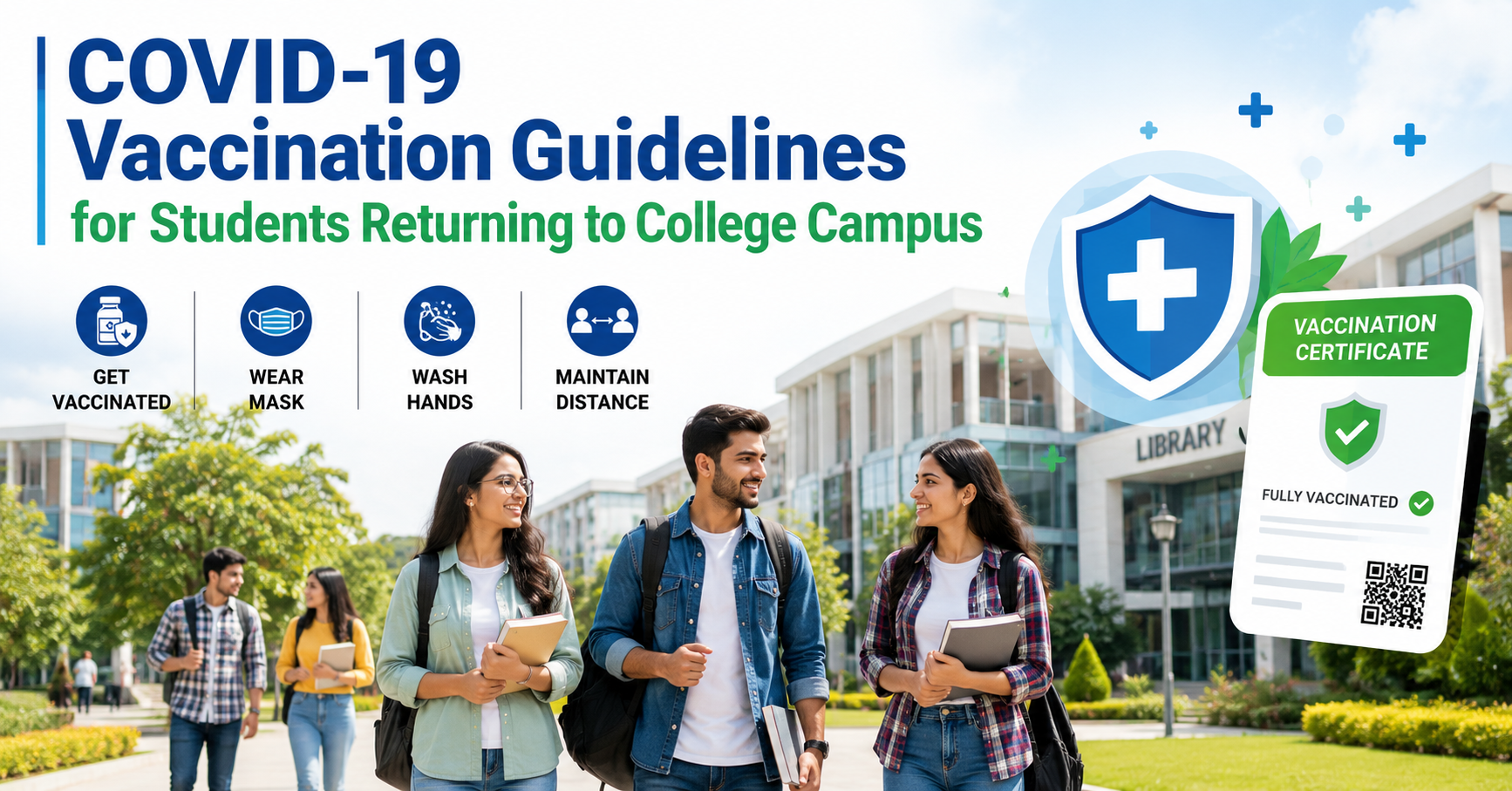
COVID-19 Vaccination Guidelines for College Students Returning to Campus
With colleges and universities reopening across many cities, students are excited to return to their campuses, classrooms, libraries, and canteens. After months of virtual learning, students finally have the opportunity to interact with classmates and faculty members in person.
The transition from online education to offline learning marks an important step toward restoring a normal academic environment. However, ensuring the health and safety of students remains a top priority for educational institutions.
Vaccination Certificate Mandatory for Campus Entry
To maintain a safe learning environment, educational institutions have implemented COVID-19 safety protocols in accordance with government guidelines. Students joining the academic session are required to submit a valid COVID-19 vaccination certificate as proof of vaccination.
This requirement applies to students enrolling in institutions such as DBGI, Chandigarh University, and other universities across India. Universities have advised both students and faculty members to get vaccinated and submit the necessary details before attending offline classes.
Vaccination helps create a safer campus environment and allows students to continue their studies with greater confidence and peace of mind.
COVID-19 Awareness Initiatives by Chandigarh University
As part of its commitment to student welfare, Chandigarh University introduced several COVID-19 awareness initiatives to educate students, faculty members, and staff about the pandemic and preventive measures.
Along with other essential admission documents, students enrolling in Chandigarh University Courses were required to submit their vaccination certificates before attending in-person classes.
The university also released a comprehensive COVID-19 advisory booklet covering important topics such as:
-
Understanding COVID-19 and how viruses spread
-
Virus survival on surfaces and objects
-
Community transmission and risk factors
-
Effects of COVID-19 on different age groups
-
Impact on individuals with pre-existing health conditions
-
Symptoms and warning signs of infection
-
Recommended medical tests
-
Treatment guidelines and healthcare support
-
Consultation and assistance resources
-
Common myths and misconceptions about COVID-19
These awareness efforts helped students stay informed and follow appropriate safety measures while returning to campus.
Community Support and Social Responsibility
During the pandemic, educational institutions played an important role in supporting local communities. Many universities participated in awareness campaigns and community outreach programs.
Initiatives included:
-
Distribution of masks and sanitizers
-
COVID-19 awareness drives
-
Assistance for underprivileged communities
-
Support for people affected by lockdown restrictions
-
Food distribution programs for those in need
Such efforts demonstrated the commitment of educational institutions toward public health and social responsibility.
Important COVID-19 Safety Measures for Students
Universities continue to encourage students to follow essential health and safety practices to protect themselves and others.
Students should:
-
Avoid crowded places whenever possible.
-
Maintain appropriate physical distancing.
-
Wear a mask in public areas when required.
-
Practice good hand hygiene and sanitize hands regularly.
-
Follow updates from health authorities and official government sources.
-
Engage in healthy activities such as yoga and breathing exercises.
-
Consult a healthcare professional if any symptoms develop.
-
Avoid touching the face unnecessarily.
-
Stay home and seek medical advice when feeling unwell.
-
Inform professors or academic authorities if illness affects attendance.
Following these precautions helps create a safer learning environment for everyone on campus.
COVID-19 Healthcare Facilities on Campus
To strengthen its pandemic response, Chandigarh University established a dedicated COVID-19 isolation facility equipped with:
-
Isolation beds
-
Outpatient services (OPD)
-
Protective equipment and face masks
-
Ambulance support
-
Emergency medical assistance
These facilities were created to ensure that students and staff received timely medical support whenever required.
Guidelines for Students Applying to Other Universities
Students applying for admission to institutions such as DBGI and other universities in Uttarakhand should also follow all health and safety guidelines issued by their respective institutions.
By staying informed, getting vaccinated, and following recommended precautions, students can focus on their education while contributing to a safer campus environment.
Conclusion
The reopening of colleges and universities brought students back to the vibrant campus experience they had been missing. While returning to offline education is exciting, maintaining health and safety remains essential.
Students should follow university guidelines, stay updated on public health recommendations, and take necessary precautions to ensure a safe and productive academic journey.
Related Articles
Chandigarh University Admission Open: Travel & Tourism| New Career Field